
Analysis
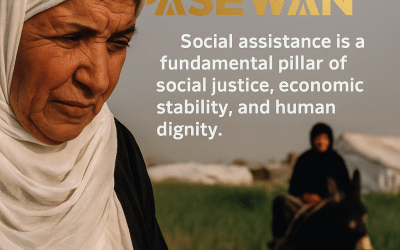
ENHANCING SOCIAL ASSISTANCE IN KRI & IRAQ
Social assistance is a fundamental pillar of social justice, economic stability, and human dignity . However, in the KRI and the rest of Iraq, many vulnerable groups—including rural youth, persons with disabilities, elderly individuals, low-income families, internally...

‘A bridge to those in need’ Frontline Provider Perspectives on the Accountability of Social Assistance in the Kurdistan Region of Iraq
Social assistance in the Kurdistan Region of Iraq (KRI) is a complex mix of government-led social protection, declining levels of humanitarian aid, and local (often ad hoc) community-based initiatives. This paper examines the accountability of this mix of assistance...

Published paper: Towards inclusive social assistance for marginalised people in the KRI
Marginalised people, especially those facing intersecting inequalities, are disproportionately affected by crises such as long-term conflict, forced displacement, and recurring climate shocks. Factors that exclude them more generally can also limit or prevent their...
Inclusive social assistance for marginalised people in the KRI
The Kurdistan Region of Iraq (KRI) has experienced conflicts, displacement, socioeconomic shocks, and climate change effects. Marginalised people, especially those facing intersecting inequalities, are disproportionately affected. Many face unemployment, poverty, and...

The Necessity and Integrity of the KRI Parliamentary Election
This report focuses on analysing the legal and political environment surrounding the upcoming elections, scrutinizing the procedures of the Independent High Electoral Commission (IHEC), and highlighting the adverse effects on the electoral process due to voter...

Information Disorder in the Kurdistan Region
Information Disorder in the Kurdistan Region By Harem Karem: There is a growing concern about the long-term impact of information disorder (disinformation and misinformation) in the Kurdistan Region. Manipulation of political discourse and public...

The social, security and economic implications of Iraq’s currency devaluation
Interview with Prof Frank R. Gunter : Q1: As an economist who is familiar with Iraq, what is your view on the currency devaluation? Is it the right step taken at the wrong time? How do you see the overall effects of the devaluation? FG: I think that the primary...

Collateral Damages of Iraq’s Currency Devaluation – Pasewan
Iraq’s Central Bank (CBI) depreciated the Iraqi Dinar (IQD) by nearly 18 per cent from IQD1,180 to IQD1,450 against the US Dollar (USD). This devaluation negatively impacts millions of “losers” – i.e., those who are most affected by inflation resulting from the...

Iraq’s 2021 Elections: voter disengagement imperil democracy?
Iraq’s 2021 Parliamentary elections are scheduled for October. Despite the elections drawing near, there is little enthusiasm among the electorate with hopes for meaningful reforms having faded with the failure of successive governments to address endemic corruptions,...

Corruption Worse Than ISIS: Causes and Cures for Iraqi Corruption
“Corruption benefits the few at the expense of the many; it delays and distorts economic development, pre-empts basic rights and due process, and diverts resources from basic services, international aid, and whole economies. Particularly where state institutions are...

The Challenges and Opportunities Within Iraq’s Informal Economy
Policy discussions associated with Iraq’s 2021 budget bill so far ignored the challenges facing the country’s informal economy. The initial budget draft prepared by the Iraqi Finance Ministry, as well as the amendments proposed by Parliament’s Finance Committee have...

Kurdistan’s Food-Security Challenges
The Covid-19 containment measures and restrictions showed the food security weakness of Kurdistan Region of Iraq (KRI) and Iraq, since they depend heavily on importing most of food items. The disruption in the international trade and supply chain failure may threaten...